
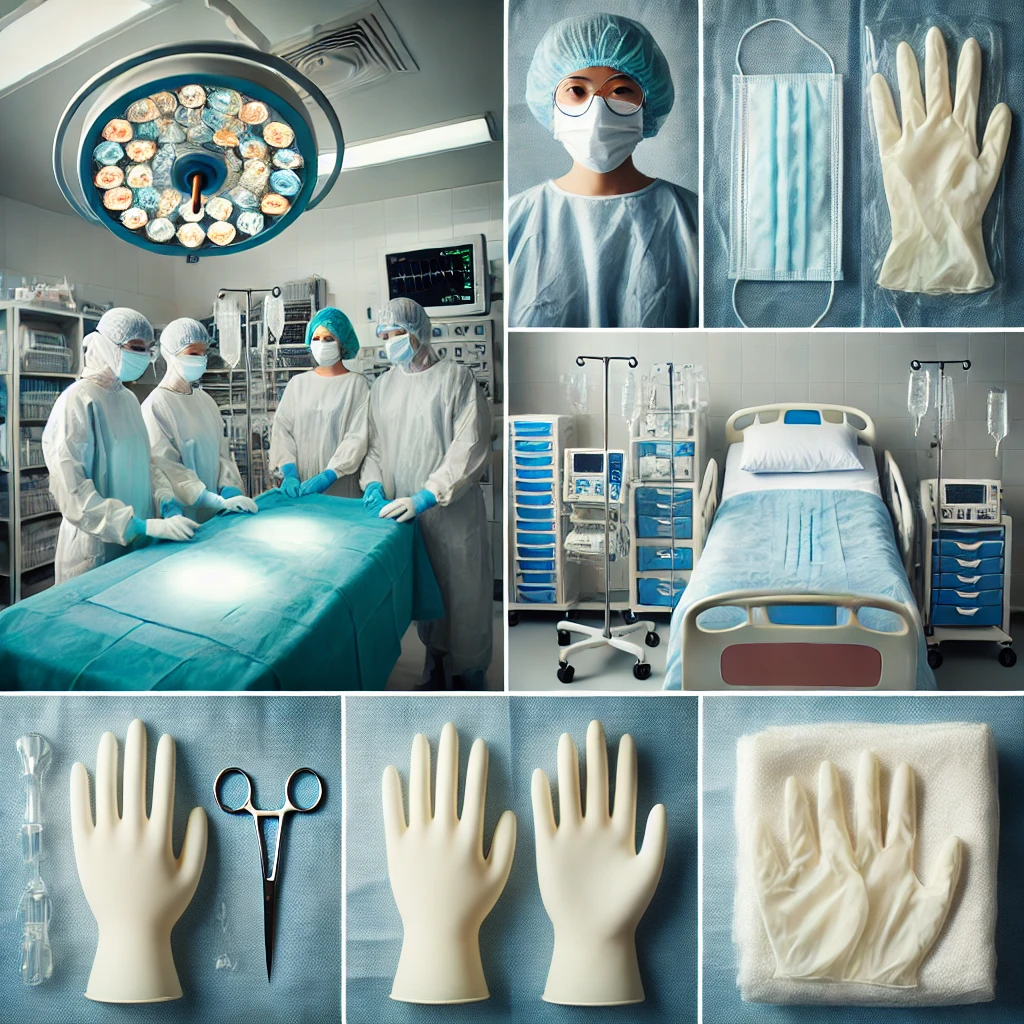
Why Disposable Medical Products Are Crucial for Infection Control | Protectmed Healthcare

In healthcare settings, infection control is a top priority to ensure patient safety and overall hygiene. Disposable medical products play a critical role in minimizing the risk of cross-contamination and infections. These products are designed to be used once and then safely discarded, reducing the chances of disease transmission in hospitals, clinics, and other medical environments.

The Role of Disposable Medical Products in Infection Control

Disposable medical products, such as gloves, gowns, masks, bed sheets, and drapes, are crucial in preventing the spread of infections. These items create a sterile barrier that protects both patients and healthcare workers. By using single-use items, healthcare facilities can reduce the risk of contamination between patients, as well as between healthcare workers and patients.

Prevention of Cross-Contamination

One of the biggest concerns in healthcare settings is cross-contamination. When medical products are reused, they may harbor bacteria, viruses, or fungi, increasing the risk of infection. Disposable products help mitigate this issue by eliminating the possibility of reusing contaminated items. For example, surgical gloves are worn by medical professionals to prevent contact with bodily fluids, and disposable drapes maintain a sterile field during surgeries.

Infection Control in High-Risk Areas

In high-risk environments such as operating rooms or intensive care units (ICUs), the potential for infection is heightened. Disposable products are essential in these areas as they reduce the chances of transmission of pathogens. In an operating room, disposable sterile drapes and surgical gowns are used to cover patients and surgical staff, preventing any direct contact with contaminants.

Ensuring Sterility with Disposable Products

Sterility is paramount in medical procedures, especially surgeries. Disposable products are manufactured under strict quality standards to ensure that they remain sterile throughout their use. These items are packaged in a way that prevents exposure to external elements, ensuring they stay free of contaminants until they are needed. For example, disposable medical gloves are often packaged in sterile packaging to maintain their cleanliness until opened.

Protecting Healthcare Workers

Healthcare workers are constantly exposed to infectious agents while providing care. Disposable medical products provide a protective barrier between healthcare workers and potentially harmful pathogens. Medical gloves, gowns, and face masks are all critical in preventing healthcare workers from coming into contact with infectious fluids, bodily secretions, or contaminated surfaces. By using disposable items, healthcare facilities can protect their staff while maintaining a high level of care for patients.

Cost-Effectiveness of Disposable Medical Products

Although disposable products may seem like a recurring expense, they actually offer cost savings in the long run. The prevention of healthcare-associated infections (HAIs) reduces the need for prolonged patient care, treatment, and potential lawsuits. Additionally, the use of disposable items saves the hospital time and resources related to sterilizing reusable equipment.

Examples of Disposable Products and Their Benefits

Surgical Gloves: Used to prevent direct contact with infectious materials and bodily fluids during procedures. They provide protection for both the patient and the healthcare professional.
Disposable Gowns: Essential for maintaining a sterile environment during surgeries, as well as offering protection for medical professionals.
Medical Masks: Help prevent the spread of respiratory droplets and protect against airborne pathogens.
Disposable Drapes: Used during surgeries to cover patients and maintain a sterile field, preventing infection during procedures.
Disposable Bed Sheets: These are used to prevent contamination and maintain cleanliness in hospital beds, offering a fresh and sterile surface for patients.

Sustainability in Disposable Products

There is a growing concern over the environmental impact of disposable products, but many manufacturers are now producing eco-friendly and biodegradable medical disposables. These alternatives offer the same level of protection without contributing to plastic pollution. For example, biodegradable surgical gowns and gloves are designed to reduce waste while still maintaining their primary function of infection control.

Conclusion

Disposable medical products play an essential role in infection control within healthcare settings. They help reduce the risk of cross-contamination, ensure a sterile environment, and protect both patients and healthcare workers from harmful pathogens. While sustainability is an important consideration, the effectiveness of disposable products in preventing infections cannot be understated. Their use remains critical for maintaining patient safety and quality care in medical environments.

Product Enquiry